
 See My Latest Article on HelloNation
What Is Precision Metal Stamping, and Why Does It Matter Locally?
Precision metal stamping is an industrial process that shapes flat sheets of metal into specific parts through the use of dies and stamping presses. In a city like Rochester, NY, where advanced manufacturing plays a role in local employment and economic activity, understanding this process helps area residents appreciate both the craftsmanship and technology behind many everyday products—from vehicle components to appliances and infrastructure.
How Does the Process Start?
The first steps involve choosing the right metal and designing detailed plans.
- Metal selection is determined by the end use—for example, weather resistance, strength, or conductivity may be priorities depending on local applications, such as snow-removal equipment or consumer products used in area homes.
- Engineers create technical drawings specifying exact shapes, tolerances, and dimensions. In Rochester, standards often align with regional and national codes for manufacturing safety and reliability.
- Tooling and dies are built using these blueprints, forming the “mold” that will repeatedly stamp parts to precise shapes.
Area households may not see this side directly, but the choice of metals and careful planning help ensure that stamped parts perform reliably in upstate New York’s varied climate and conditions.
What Happens During the Stamping Process?
Once everything is prepared, the main production phase begins.
- Metal sheets are loaded into stamping presses, either manually or with automated feeds, depending on the size and volume of the project.
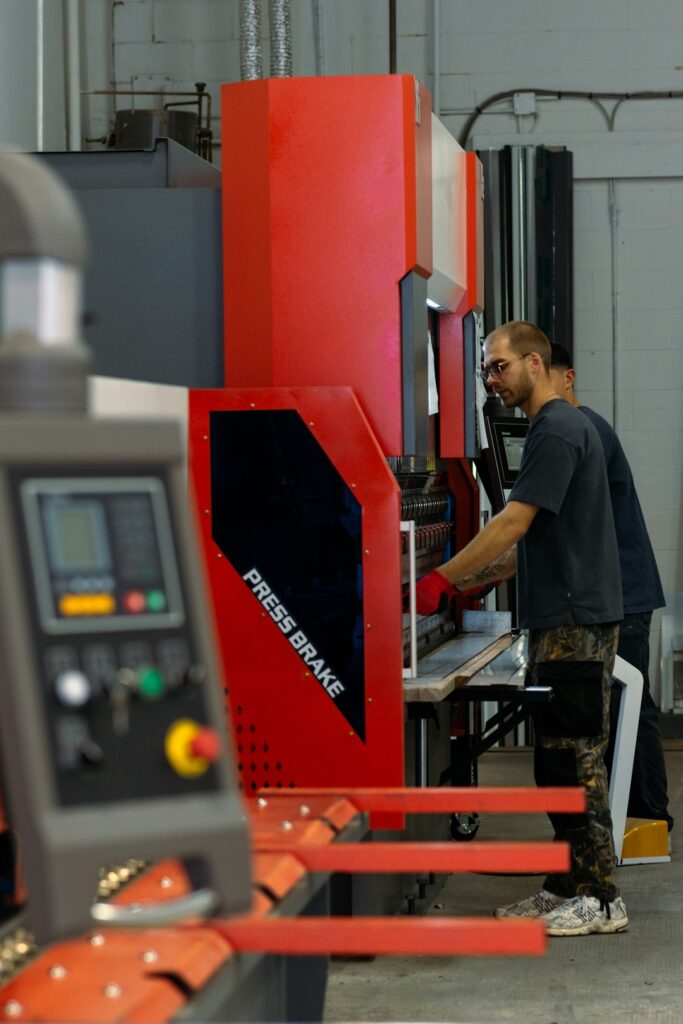
- The press rapidly moves the die down onto the metal, applying major force to cut, bend, pierce, or emboss the material. Depending on design complexity, a part may undergo several progressions through different dies in the same machine (progressive stamping).
- Throughout, precision measures are in place—mechanical stops, sensors, and controls—to detect alignment issues or material flaws before major waste occurs.
For local residents interested in sustainability, the efficient use of materials and energy during this step helps reduce both costs and environmental impact, keeping the area’s manufacturing sector competitive and responsible.
How Are Quality and Safety Ensured?
Quality control is built into every phase of the process, not just the end.
- Sampling and measurement occur at multiple points to check compliance with technical specs. Sophisticated measuring equipment ensures each part meets dimensional requirements.
- Safety protocols protect workers from hazards such as moving machinery and sharp metal edges. Rochester facilities must comply with strict occupational safety guidelines, shaped in part by local regulations and community expectations.
- Parts that don’t pass quality checks are either recycled or reprocessed—minimizing waste and ensuring faulty components don’t reach local assembly lines or households.
Residents sometimes assume quality checks only happen at the end, but ongoing oversight is vital for both safety and product reliability.
What Are Some Common Applications for Stamped Metal Parts in the Community?
Many people in the city interact with stamped metal parts without realizing it:
- Appliances: Washers, dryers, refrigerators, and cooking ranges often rely on stamped components for both structure and function.
- Automotive: Many local drivers depend on stamped brackets, panels, and engine parts made precisely for safety and efficiency.
- Construction: Items from HVAC components to electrical enclosures and fastening hardware are pressed and shaped locally to withstand Rochester’s climate swings.
- Electronics: Precision metal stamping is essential in connectors, housings, and mounting parts for devices found in area schools, libraries, and homes.

By understanding these applications, local residents can better recognize the role that reliable manufacturing plays in daily comfort and safety.
What Challenges or Misconceptions Occur with Precision Metal Stamping?
Several questions often arise in community conversations:
- "Is stamped metal always rough or unfinished?" While older techniques sometimes produced rough parts, modern processes—used in the city’s facilities—create extremely accurate, clean-finished components.
- "Does it always involve large factories?" Smaller-scale operations also exist, serving niche markets and specialized needs without mass production.
- "Can stamped parts be recycled?" Most stamped metal scrap is collected and sent for recycling, supporting broader local and regional sustainability goals.
- "Are workers at risk?" Stringent safety training and barrier systems are standard, reducing injury risks. Community and state agencies routinely inspect local sites to ensure compliance.
Knowing the facts helps area households balance appreciation for manufacturing efficiency with concerns about quality and environmental impact.
How Does Precision Metal Stamping Evolve With Technology?
Technology continues to improve the stamping process:
- Automation and robotics streamline production and improve worker safety by reducing repetitive tasks.
- Computer-aided design (CAD) and simulation allow rapid prototyping and troubleshooting before any metal is actually cut.
- Advanced materials, including new alloys and coated metals, are becoming more common for use in local products that face weather or corrosion challenges, especially during Rochester’s freeze-thaw cycles and long winters.
Community understanding of these advances helps demystify the manufacturing sector and demonstrates how local industries stay current with national trends.
Local Perspective: Why Does Understanding Precision Metal Stamping Matter?
For residents of Rochester, knowing how precision metal stamping works builds appreciation for the skilled labor and careful engineering behind familiar products. It also highlights the city’s tradition of supporting innovative, safe, and sustainable industry—a theme reflected in schools, workforce training programs, and local economic development conversations.
By recognizing the steps, quality standards, and ongoing changes in this manufacturing process, area households can engage more thoughtfully with conversations about local industry, sustainability, and product reliability.