
 See My Latest Article on HelloNation
What Does Precision Metal Stamping Mean?
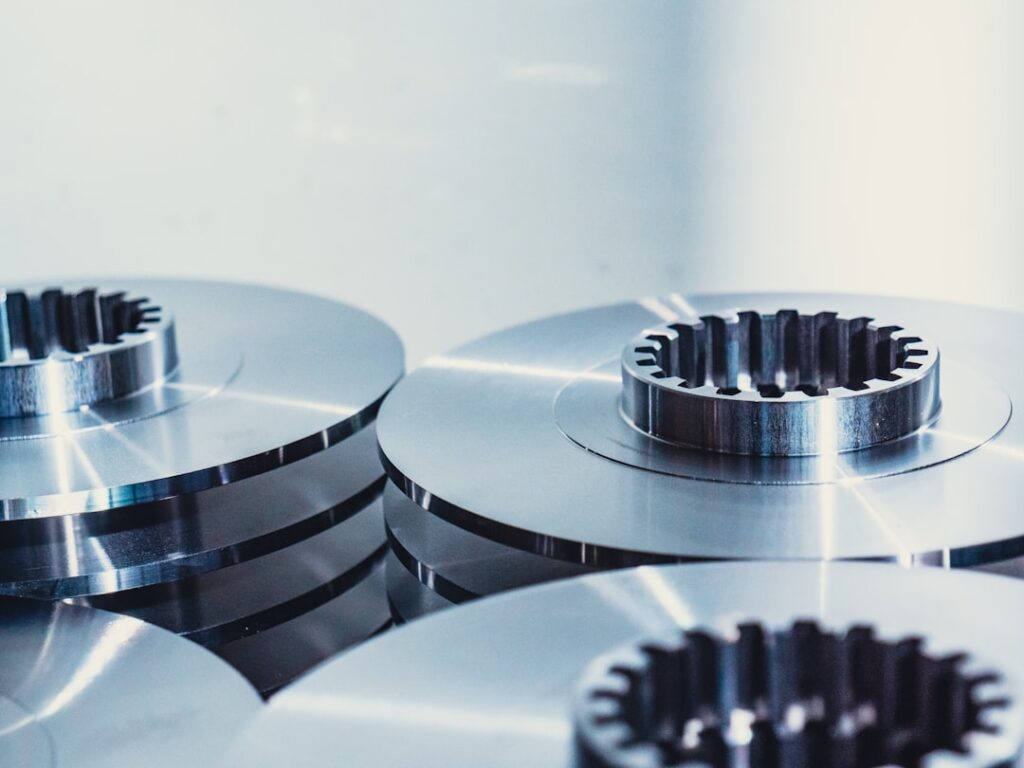
Precision metal stamping is a manufacturing technique used to convert flat sheets of metal into specific shapes or components, often with intricate detail and high accuracy. The process typically uses a stamping press and unique dies—custom-made tools that press, cut, bend, or punch the metal into its final shape.
For many in Rochester, NY, this technology is behind the creation of a large array of everyday items, from parts used in local heating systems and home appliances to brackets in vehicles seen on area roads. The “precision” aspect refers to the tight tolerances and exact measurements required, which are crucial in applications where safety, reliability, and fit are critical.
How Does the Precision Metal Stamping Process Work?
At its core, the stamping process follows a sequence of steps that transform raw metal into finished parts:
- Design and Tooling: Engineers design the part with digital software and create a custom die. Dies act like molds, shaping the metal during the stamping process.
- Feeding and Pressing: Metal sheets are loaded into a stamping press, which pushes the material through the die with tremendous force.
- Forming and Cutting: Depending on the design, the press may cut, bend, emboss, or draw the metal in multiple operations.
- Finishing: Parts may undergo additional treatments like deburring (removing sharp edges), coating, or inspection for accuracy before use.
In many Rochester area facilities, these steps are automated for efficiency, but hands-on quality checks are often performed to ensure exactness—especially important in industries like electronics and automotive supply, which require consistency during cold winters and fluctuating humidity.
What Materials Are Most Often Used?
The choice of metal depends on the part’s intended use. Common materials include:
- Steel: For strength in automotive frames or support brackets.
- Aluminum: Where lightweight parts are essential, such as in HVAC components found in local homes.
- Copper or Brass: Used for electrical contacts and connectors.
- Stainless Steel: Chosen for corrosion resistance, making it suitable for outdoor hardware exposed to Rochester’s seasonal changes.
Local manufacturers might prioritize certain materials due to climate or regulatory requirements—such as stainless steel for outdoor utility boxes to endure upstate New York’s varied weather.
Why Is Precision Metal Stamping Important for Area Residents?
Many products used in daily life in the city rely on this process, even if it happens behind the scenes:
- Appliance makers use stamped parts for things like washing machine actuators and oven frames.
- Components in heating, cooling, and plumbing systems often originate from stamped metal, important for homes faced with wide seasonal temperature swings.
- Even recreational equipment, like bicycles or winter sports gear, includes stamped parts for durability and safety.

Area schools and technical colleges sometimes offer tours or programs that explain how this technology is foundational to regional manufacturing and STEM jobs, underscoring its presence even in community education.
What Are Common Misconceptions About Metal Stamping?
It’s easy to think that stamped components are low-tech or “cookie-cutter.” In reality, many local plants invest heavily in precision, with strict quality standards and advanced machinery. Some believe only large companies use these techniques, but hobbyists and artisans sometimes use smaller presses for custom hardware and artistic metalwork.
Another mistaken belief is that stamped parts are less durable. When designed and manufactured correctly, metal stamping produces strong, reliable components that last—especially when adapted to the city’s typical climate and use patterns.
What Makes Precision Stamping Different from Other Metalworking?
Compared to hand fabrication or general metal cutting, precision stamping stands out for its:
- Speed: Once set up, stamping presses can produce hundreds or thousands of identical parts each hour.
- Uniformity: Each piece matches the next with minimal variation—vital for repairing snowblowers or installing matching brackets in area buildings.
- Complexity: Multi-step dies can add holes, bends, or engravings in a single stroke.
- Cost-effectiveness: For repeated parts, it is often the most efficient way to create high volumes without sacrificing accuracy.
Small-batch or custom metalwork may still use old-fashioned methods, but for repetitive needs or intricate designs, stamping is often more practical.
Where Does This Technology Show Up Locally?
Though it might not be visible to most residents, stamped metal parts are present in traffic signals, electrical enclosures, HVAC vents, and building hardware throughout the city. Area infrastructure, public transit systems, and even some playground equipment rely on these components for safety and reliability.
Recycling and sustainability measures in some neighborhoods also benefit, as stamped metals are typically easy to separate and reprocess, supporting local environmental goals and economic circularity.