

 See My Latest Article on HelloNation
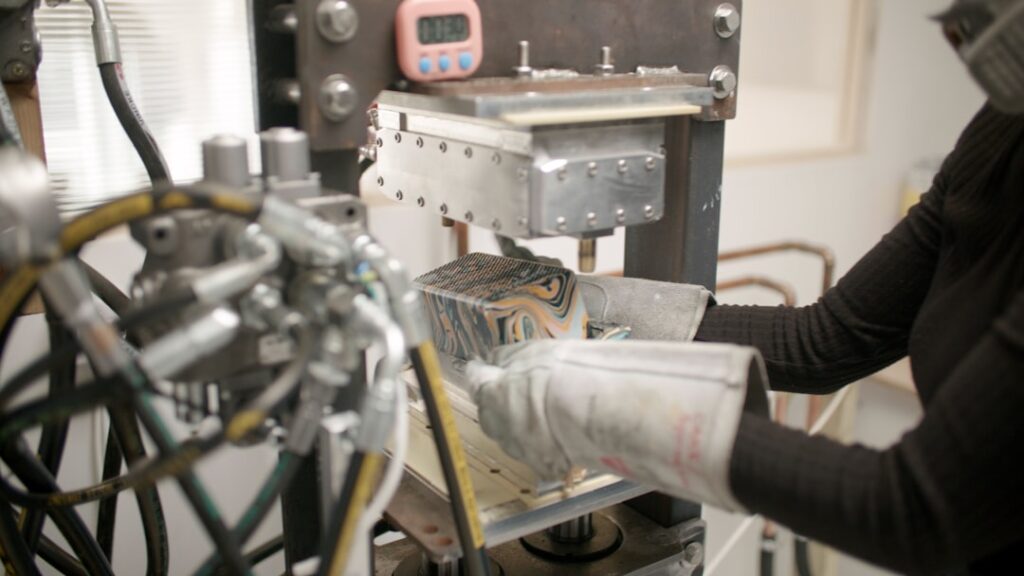
What Is Precision Metal Stamping and Why Does Design Matter?
Precision metal stamping uses specialized dies and presses to shape flat metal sheets into usable parts for countless applications. In Rochester, NY, where advanced manufacturing plays a vital role in the local economy, many residents encounter projects—personal or professional—that require reliable, cost-effective stamped metal components. The design of the part itself directly affects the stampability, waste, durability, and even the cost of the finished product. Understanding the basic principles of design for stamping can make the process smoother and help local residents get effective results from their DIY projects, school experiments, or small-scale production runs.
How Do Material Choices Impact Stamping Designs?
Choosing the right metal is the foundation for any stamped part. Most stamping in the city is done with steel, aluminum, copper, or specialty alloys, which react differently under pressure and shaping.
Common considerations include:
- Thickness: Thicker materials offer strength, but require more force and may not accommodate very fine detail. Local needs, such as parts for outdoor equipment or appliances withstanding seasonal change, often use moderately thick steel.
- Hardness and Springback: Harder metals can "spring back" once stamped. Designers must compensate for this, particularly in parts that require tight tolerances.
- Corrosion Resistance: With Rochester's humid summers and snowy winters, exterior parts often require galvanized or coated metals to prevent rust.
What Shapes and Features Are Easiest to Stamp?
Not every shape is equally suited for the stamping process. Simple, consistent designs allow for better results and less tool wear. For local residents, this can mean:
- Keeping bends simple and gradual, with a radius at least equal to the material thickness to avoid cracking.
- Arranging holes or cutouts at least twice the material thickness from the edge to reduce tearing.
- Avoiding deep draws (when possible), as Rochester garages or makerspaces may not always have access to specialized equipment for complex forms.
By sticking to predictable patterns, people in the community can reduce problems and get more consistent parts, especially if using shared or educational facilities.
How to Design for Durability and Efficiency
Efficient stamping designs minimize waste and make tools last longer. Clear, thoughtful part design can also extend the lifespan of everyday items.
Tips for better results include:
- Reducing Scrap: Nesting parts (arranging them closely) and keeping features aligned along straight edges can maximize material use.
- Easing Tool Wear: Avoid very tight internal corners or intricate cutouts, which can crack tools and slow production. Rounded shapes distribute pressure more evenly.
- Material Flow: Orientation of the design in relation to the metal grain can matter, especially for flexible parts or those under repeated stress, such as brackets in local home projects.
What Tolerances and Variations Should Be Expected?
All stamped parts show some variability caused by tool limitations, material differences, and humidity or seasonal changes affecting metal properties. Rochester-area residents should expect:
- Slightly rounded corners and edges, not perfectly sharp.
- Minimal but noticeable variations in hole size or part width depending on temperature and batch.
- Some distortion or burrs, which may require secondary finishing steps if a smooth edge is needed for safety, as with children’s outdoor play equipment.
For critical dimensions—such as pieces needed for local robotics clubs or precise DIY repairs—communicate requirements clearly and measure final parts before assembly.
Why Does Stamping Design Sometimes Require Tradeoffs?
In practice, there's often a balance between ideal function, cost, and manufacturability. Rochester residents sometimes need to adapt designs based on available tools, technician skills, or project budgets.
Common compromises include:

- Simplifying shapes to fit within basic stamping capabilities, rather than intricate multi-step processes.
- Accepting a slightly thicker or thinner material that is more readily available locally.
- Allowing for cosmetic imperfections on internal or hidden surfaces in exchange for lower cost.
Community makerspaces or educational programs frequently teach these tradeoffs firsthand, so participants gain practical experience.
What Are Common Stamping Design Mistakes?
Even experienced makers and engineers in the city sometimes overlook certain pitfalls:
- Ignoring Bend Relief: Omitting small notches where bends meet edges can result in tearing.
- Placing Features Too Close Together: Too little space between holes, slots, or bends weakens the part and can cause cracks.
- Failing to Consider Tool Access: Designs that cannot be reached easily by stamping tools may require expensive modifications or manual rework.
Avoiding these errors saves time and frustration, especially for those working on a deadline or fitting a school project into a busy local schedule.
How Can the Climate and Community Needs Affect Stamped Part Design?
The unique weather patterns and lifestyles in the area have practical impacts:
- *Outdoor furniture or signage*: Needs corrosion-resistant finishes and drainage holes to prevent rust from snow or spring rain.
- *Automotive and machinery repairs*: Favor durable metals and thicker parts that withstand temperature swings and humidity.
- *Household and school projects*: Often require safe, rounded edges and coatings to prevent accidental cuts or rust exposure.
Neighbor sharing programs, community workshops, and school labs often recommend these adaptations based on local experience.
Is Professional Engineering Required for Every Stamped Part?
For most household, hobbyist, or small group projects, following basic principles and checking local safety codes is sufficient. However, city building codes, automotive modifications, or parts used in public spaces might require legal compliance and professional review, particularly if safety or liability is an issue.
By understanding the basics of designing for the stamping process, residents can approach projects with confidence, contribute to community initiatives, and make practical, lasting items suited to the area’s unique needs and climate.