

 See My Latest Article on HelloNation
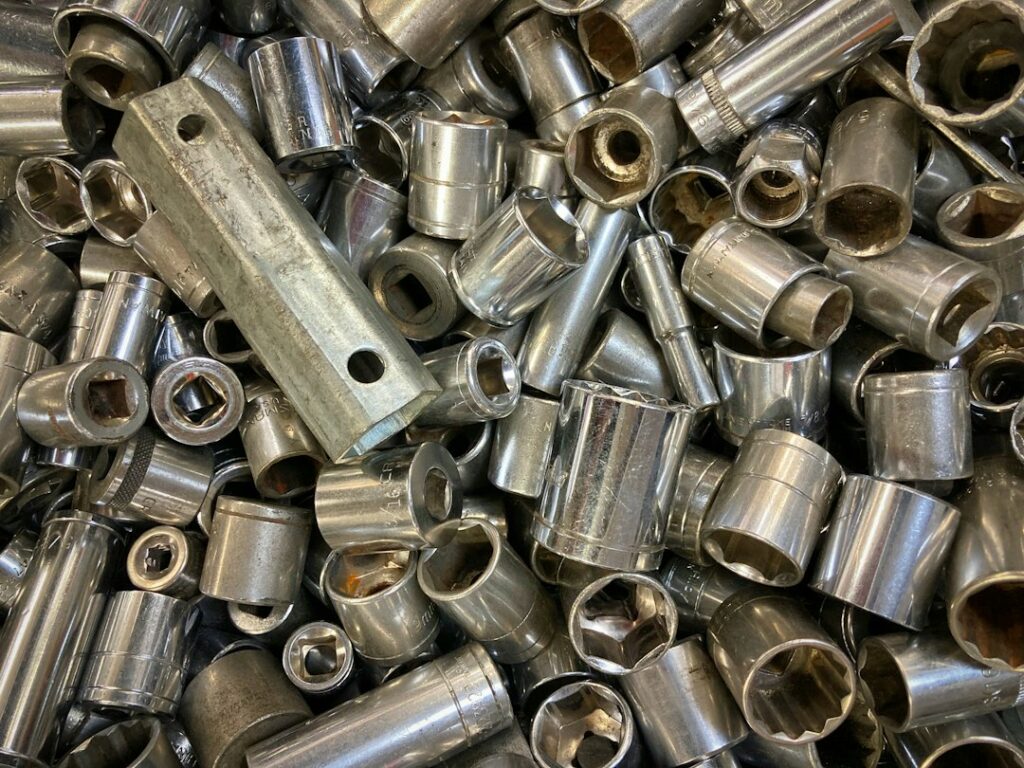
Precision metal stamping can produce large quantities of durable parts with relatively little wasted material, but it still has environmental costs. The main concerns are energy use, scrap metal, lubricants, cleaning chemicals, wastewater, air emissions, and stormwater contamination.
For residents of Rochester, understanding these impacts helps explain how manufactured metal products affect local air, water, waste systems, and the broader resource cycle.
What environmental impacts come from precision metal stamping?
The environmental footprint of stamping depends on the material, production volume, equipment, finishing processes, and waste controls used at a facility. Stamping itself is a mechanical process: a press forces sheet metal into a die to cut, bend, draw, or form a part. The press may use electricity, hydraulic power, or mechanical energy.
The main environmental effects typically come from:
- Electricity used by presses, material handling equipment, lighting, ventilation, and heating
- Metal scrap created during blanking and trimming
- Oils and lubricants used to prevent friction and tool wear
- Cleaning, coating, plating, or finishing performed after stamping
- Packaging and transportation of raw materials and finished parts
- Wastewater, air emissions, and stormwater runoff if materials are not properly contained
The process is not automatically high-pollution or low-pollution. Its impact depends heavily on how efficiently the operation uses material and manages fluids, waste, and runoff.
Does stamping create a lot of metal waste?
Stamping can generate scrap, but much of that scrap is recyclable. The largest sources are trimmed edges, punched-out sections, rejected parts, setup pieces, and material left between stamped shapes.
A key factor is material utilization. If a part layout leaves large gaps between blanks, more sheet metal becomes scrap. Better nesting can increase the amount of usable product made from each sheet. Accurate dies, automated inspection, and stable press settings can also reduce defective parts and repeat production.
Metal scrap has value because steel, aluminum, copper, and other metals can often be separated and returned to a recycling stream. Recycling usually requires less energy than producing new metal from mined ore, although collection, sorting, melting, and transportation still consume energy.
A common misconception is that all scrap represents waste in the environmental sense. Clean, properly separated metal scrap is often a recoverable resource. Scrap mixed with oils, coatings, plastics, or other materials is more difficult and expensive to manage.
How do lubricants and cleaning chemicals affect the environment?
Stamping lubricants reduce friction between the sheet metal, die, and press tooling. They may be oil-based, water-based, or formulated for specific materials and production speeds. Spills or poorly managed residues can contaminate floors, soil, drains, and stormwater.
Used oils, oily absorbents, contaminated rags, and spent process fluids may require special handling. They should not be poured into floor drains, household drains, soil, or outdoor areas. Even a small amount of petroleum-based fluid can spread across a large volume of water.
Cleaning and finishing can create additional environmental concerns. Degreasers, solvents, plating chemicals, paints, and conversion coatings may contain substances that require controlled storage, wastewater treatment, or regulated disposal. The stamping step and the finishing step should therefore be evaluated separately. A simple stamped steel part may have a relatively limited process footprint, while the same part may carry greater environmental risks if it is chemically cleaned, plated, or painted afterward.
Can metal stamping affect local water quality?
Yes. The most direct risks involve accidental spills, contaminated wastewater, and stormwater runoff from outdoor areas.
New York’s industrial stormwater requirements identify potential pollutants associated with fabricated metal activities, including lubricating oil, grease, solvents, metals, and materials stored or processed outdoors. Outdoor scrap containers, loading areas, raw-material storage, and waste piles can become pollution sources when rain or melting snow carries residue toward catch basins or surface water.
This issue has particular local relevance in Rochester, where winter snow, freeze-thaw cycles, and frequent rain can move contaminants across paved surfaces. Snow may temporarily hide a spill, while spring melt can carry accumulated residue into storm drains.
Good environmental controls include:
- Keeping scrap, chemicals, and fluids under cover when feasible
- Using secondary containment for liquid containers
- Inspecting containers and equipment for leaks
- Separating clean stormwater from process wastewater
- Maintaining spill kits and written response procedures
- Keeping outdoor work areas free of loose metal fragments and oily debris
- Preventing floor drains from receiving untreated process materials
Stormwater controls do not eliminate pollution at its source, but they provide an important layer of protection.
How much energy does precision stamping use?
Presses can require substantial energy, particularly during high-volume production or when forming thick metal. Energy is also used by compressors, pumps, ventilation systems, material-handling equipment, heating systems, and lighting.
Energy consumption can be reduced through efficient motors, well-maintained presses, automatic shutdowns during idle periods, improved production scheduling, and reduced reject rates. Preventive maintenance matters because poorly aligned tooling, excessive friction, and compressed-air leaks can increase energy use without improving output.
The environmental benefit of energy efficiency depends on the electricity supply serving the facility. Reducing electricity use generally lowers associated emissions, but the exact benefit varies by the regional generation mix and the time of day power is consumed.
Does durable metal construction offset environmental impacts?

Sometimes. Metal parts that remain in service for many years may reduce the need for frequent replacement. Durable components can also support repairable equipment, long-lived appliances, transportation systems, building hardware, and infrastructure.
That benefit should not be overstated. A long service life does not erase pollution caused by poor chemical handling, excessive scrap, unnecessary rejects, or uncontrolled releases. A fair environmental assessment considers the full life cycle:
1. Mining and processing the original metal
2. Transportation and stamping
3. Cleaning, coating, or finishing
4. Use and maintenance
5. Recovery, reuse, or disposal at the end of service
Design choices also matter. Parts made from recyclable metals, designed for disassembly, or produced with fewer unnecessary components may have a lower total impact.
What can Rochester residents reasonably do?
Most environmental controls occur at industrial facilities, but households still influence the demand for stamped metal products and the quality of recycling streams.
Residents can reduce related impacts by:
- Recycling accepted metal items through the appropriate local program
- Keeping household chemicals, oils, and automotive fluids out of drains
- Choosing durable goods that can be repaired rather than quickly replaced
- Avoiding contamination of metal recycling with plastic, food residue, or hazardous materials
- Following local instructions for household hazardous waste
- Reporting significant outdoor spills or suspected pollution through the appropriate municipal or state channel
Household behavior cannot control industrial emissions, but careful disposal prevents additional burdens on wastewater treatment, landfills, and waterways.
What should people look for in environmental claims?
Terms such as “green,” “clean,” or “sustainable” are not specific enough to prove that a stamping process has a low environmental impact. More useful questions include:
- What percentage of the incoming metal becomes finished product?
- Is clean scrap separated for recycling?
- Which lubricants, solvents, coatings, or plating chemicals are used?
- How are spills prevented and managed?
- Are outdoor storage and loading areas protected from runoff?
- How are energy use and rejected parts monitored?
- Can the finished part be repaired, reused, or recycled?
The most credible environmental improvements are measurable. Reduced scrap per part, lower energy per production run, fewer rejected pieces, safer fluid management, and documented stormwater controls provide more meaningful information than broad environmental slogans.